Education

Know more.
Act earlier.

The more you understand about dental disease, the earlier you catch it. That's the whole idea.
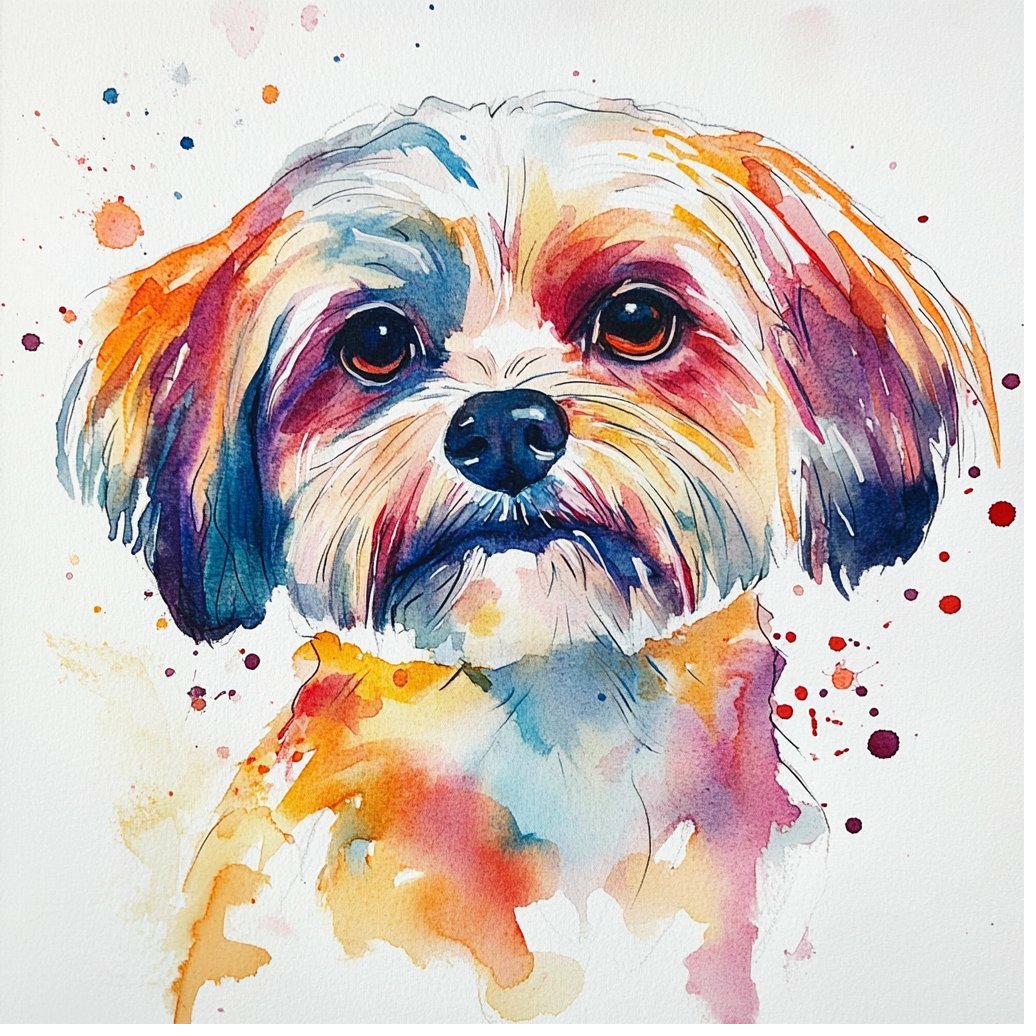
A muted watercolor of a quiet, tired dog — the hidden discomfort of dental disease.
The Quiet Problem

By the time you notice,
it's usually advanced.

Pets don't stop eating when their teeth hurt — they adapt. They chew on the other side, avoid food that aggravates it, swallow more whole. There's nothing for an owner to notice.

By the time something visible or behavioral appears, dental disease has usually been present for months or years. Finding it earlier is the entire point of regular care. How a COHAT finds it →

Signs of dental disease

Head-shyness or face sensitivity
Favoring one side when chewing
Dropping food or eating more slowly
Swallowing kibble whole
Bad breath (more than expected)
Red or swollen gums
Visible tartar or discoloration
Subtle energy or mood changes
Pawing at the face
Reluctance to play with toys
Know Your Pet

Every patient is different.
Here's what to know about yours.

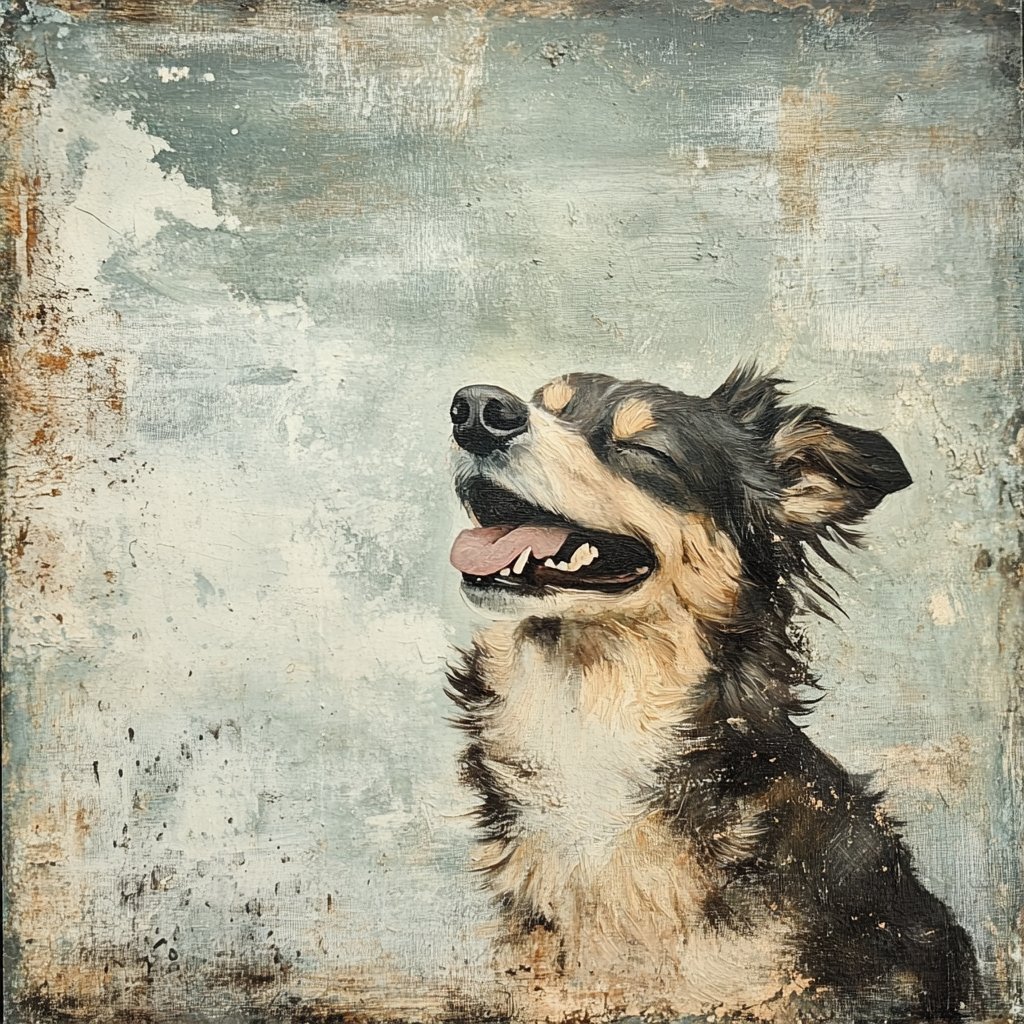
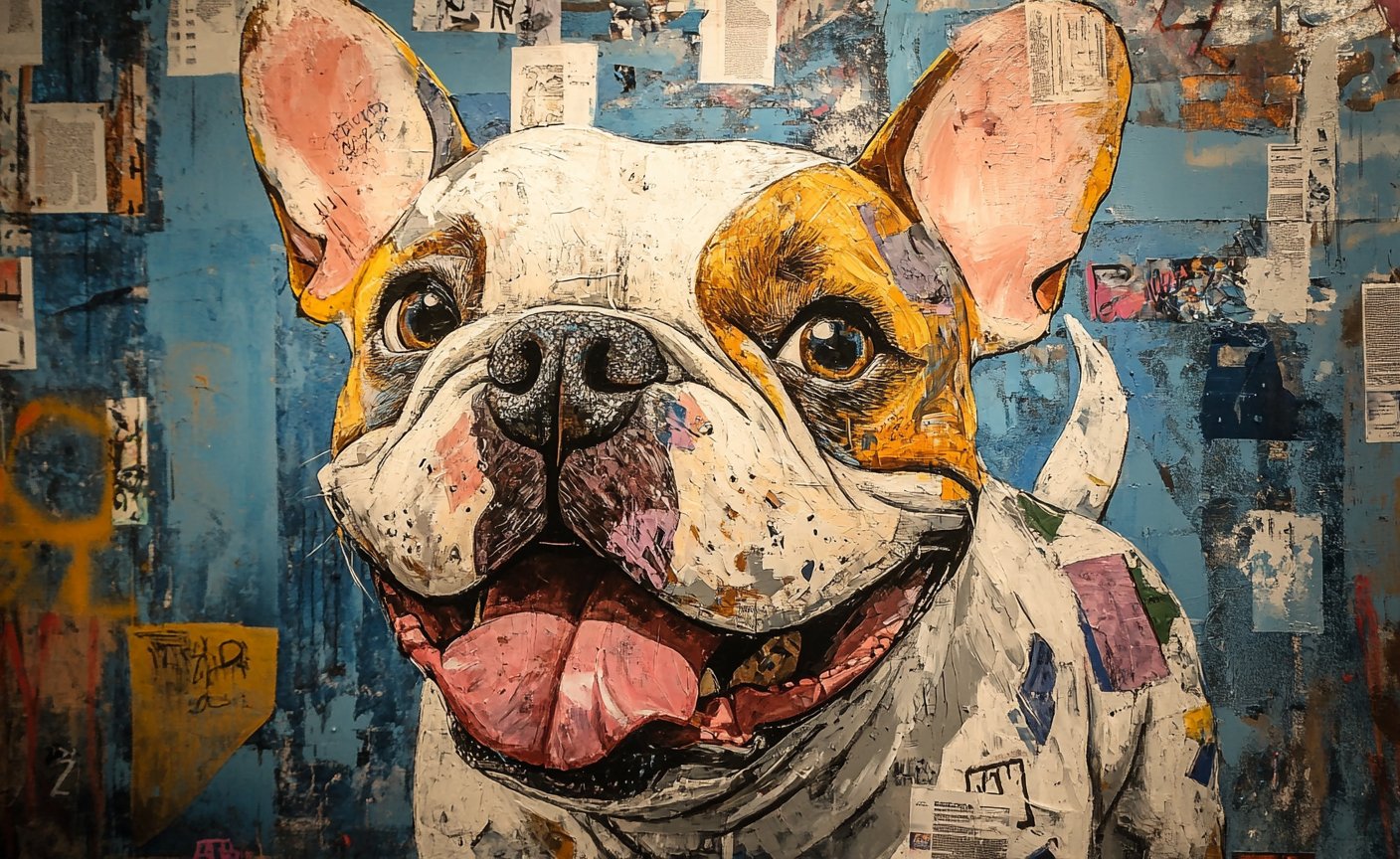
A watercolor cat portrait with orange and teal wash background — VDA feline patients A painted terrier on aged canvas — small breed patients A painted mixed-breed dog — large breed patients Feline
Feline

Cats are not dogs.

They would like you to know that. And their dental needs are different, too.

Common issues: tooth resorption (FORL), gum disease, and abscesses. Resorptive lesions begin below the surface — only radiology can find them. Teeth can look clean while causing significant pain.

When visible, lesions appear as small red spots at the gumline, often mistaken for minor gum injuries. The process is slow and painful. Surgical extraction is the only treatment.

Cats are also more likely to hide discomfort than dogs. A cat with significant dental disease may eat normally, groom normally, and show no behavioral change until the condition is advanced. Subtle shifts — slightly less enthusiasm at meal time, a preference for one side when chewing, occasional head shaking — are easy to miss.

Stomatitis is another condition seen almost exclusively in cats. It causes severe inflammation of the mouth and gums, often beyond what typical periodontal disease produces. Affected cats may drool, resist having their face touched, or lose weight gradually. Treatment varies, but in many cases extraction of most or all teeth provides the most lasting relief — and most cats eat comfortably afterward.

Home dental care for cats is harder than for dogs. Most cats do not tolerate brushing — and they will make sure you know it. Water additives and dental diets can help slow buildup, but they are not a substitute for professional subgingival treatment. Annual dental radiographs are the most reliable way to catch problems before they become painful.

Small Breeds

The highest-risk group.

Yorkies, Dachshunds, Chihuahuas, Maltese, Shih Tzus, and most toy breeds — disease starts earlier than most owners expect. Crowded jaws where teeth touch, overlap, and sometimes rotate. Disease is almost entirely periodontal: progressive, below the gumline, invisible until advanced.

Many benefit from COHAT every 6 months — not arbitrary, reflects how quickly disease recurs in a crowded mouth. Start care early. Home care slows the progression. Professional subgingival treatment resets the clock.

Retained baby teeth are common in small breeds. When a deciduous tooth doesn't fall out on its own, the adult tooth erupts alongside it, creating a double row that traps food and bacteria in a space that's nearly impossible to clean. Retained teeth should be extracted — leaving them accelerates the disease they cause.

Crowding is not just cosmetic. When teeth overlap or rotate, the gum tissue between them can't form a healthy seal. Bacteria colonize the gap. Bone loss follows. By the time the tooth is visibly loose, the bone underneath has been eroding for months. This is why radiographs matter more in small breeds than in almost any other patient — the surface tells you very little.

Home care helps but faces practical limits. Brushing a Chihuahua's teeth requires patience, a very small brush, and a Chihuahua who has agreed to the arrangement. Dental chews sized for toy breeds are worth using. But for most small dogs, consistent professional care at a realistic frequency does more than sporadic home efforts alone.

Large Breeds

The fracture you don't know about.

Large dogs fracture teeth more often — slab fractures of the upper fourth premolar are common and frequently asymptomatic. Only radiographs reveal root involvement. With good home care, the interval between exams can often be extended.

Procedures typically involve fewer teeth, however they can be more difficult and complex to remove. The highest risk to large breeds is the root fracture you don't know about.

Most slab fractures happen from chewing hard objects — antlers, bones, hooves, hard nylon toys, and ice. If you can't dent it with your fingernail, it can fracture a tooth. The things dogs love most are often the things their teeth handle worst.

A fractured tooth may cause no obvious symptoms. Some dogs chew around it. Some show no change at all. But a fracture that exposes the pulp — the nerve and blood supply inside the tooth — leads to infection at the root. That infection sits in the jawbone, often for months, visible only on radiographs. It doesn't resolve on its own.

Periodontal disease is less prevalent in large breeds than small ones, but it does occur! The larger root surface means more bone is lost before the tooth becomes visibly loose. Large dogs also tend to be stoic about it. A Lab with a root abscess will still fetch, still eat, still act like everything is wonderful. Sometimes they chew more to soothe irritation. That's the problem.

For large breeds in good dental health with consistent home care, 12–36 months between professional cleanings is a reasonable starting point. Your pet's specific interval depends on what we find at each visit.

Home Care

What you can do between visits.

Home care slows the progression of dental disease. It does not replace professional treatment — but it extends the benefit of every cleaning and can change the timeline for your pet.

Brushing

Daily is ideal. Even a few times a week makes a measurable difference. Use pet-specific toothpaste — human toothpaste contains ingredients that are toxic to animals.

VOHC-accepted products

Look for the VOHC seal. These products are independently tested to reduce plaque or tartar by at least 20%. They help — but they aren't a substitute for professional care below the gumline.

Look for the VOHC seal. Independently tested — but not a substitute for professional care below the gumline.

What doesn't work

Bones, antlers, hooves, and hard chews cause more fractures than they prevent disease. Tennis balls wear enamel. "Dental treats" without the VOHC seal are marketing, not medicine.

Dental diets

Prescription dental diets (like Hill's t/d) can help reduce above-the-gumline buildup. They work best as one part of a routine, not as the only intervention.

Getting started

Start slow. Let your pet taste the toothpaste, then build to touching the gumline. Consistency matters more than perfection. A few seconds of brushing beats zero.

When to come in

If you notice bad breath, red gums, reluctance to chew, or any of the signs listed above — schedule a visit. Exams are always free if you want to start there, or you can book a dental directly.

FAQ

Answers to common questions.

How much does a dog teeth cleaning cost in Fort Collins?
At Veterinary Dental Arts, a full dental cleaning (COHAT) is $475. Surgical packages run $675–$1,175 depending on clinical complexity. Pre-anesthetic exams are always free. All prices are packaged — radiographs, anesthesia, pain management, and the re-check visit are included. See the full pricing menu →
Is anesthesia for pet dental cleaning safe?
Modern veterinary anesthesia for healthy patients is very safe when delivered with the right protocols. Every patient receives an individualized anesthesia plan based on age, weight, breed, and health history. Advanced monitoring runs throughout the procedure — heart rate, blood pressure, oxygen saturation, respiratory rate, temperature, and end-tidal CO₂. Endotracheal intubation is standard. For patients with health concerns, pre-anesthetic bloodwork helps the doctor adjust the protocol.
What is the difference between a dental cleaning and a COHAT?
A regular cleaning is what most people picture — visible tartar removed, teeth polished. A COHAT (Comprehensive Oral Health Assessment and Treatment) is a complete diagnostic and treatment procedure: full-mouth digital radiographs, scaling above and below the gumline, subgingival treatment, polishing, periodontal probing, and a written oral exam. A cleaning without radiographs misses the disease that lives below the gumline — which is where most dental disease actually develops. More on what a COHAT includes →
How long does a pet dental cleaning take?
A routine cleaning (COHAT) typically runs 60–90 minutes from anesthesia induction to recovery, depending on the patient. Surgical work — extractions, periodontal treatment, fracture management — adds time as needed. Total time from drop-off to pickup is usually 6–8 hours, but most of that window is recovery, not procedure. Patients often go home before 3 PM once they've recovered comfortably.
How do I know if my pet is in pain?
Pets adapt around dental pain. Signs include head-shyness, favoring one side when chewing, dropping food, swallowing kibble whole, or subtle changes in energy or mood. Most owners only make the connection after treatment, when their pet seems noticeably lighter.
When is a dental issue an emergency?
Most dental disease is not an emergency, but several situations warrant urgent attention: visible facial swelling, refusal to eat for more than 24 hours, blood in the mouth without obvious cause, a fractured tooth with the pink pulp exposed, or sudden head-shyness with vocalization. When in doubt, email or call us — we can help triage and decide whether you need an immediate visit or whether a regular appointment is appropriate.
Is sedation-free dental cleaning an option?
No. Cosmetic scaling without anesthesia misses everything below the gumline — where real disease develops. It creates a false sense of security. Full-mouth radiographs, subgingival treatment, and thorough examination require general anesthesia.
What about mild sedation without full anesthesia?
Mild sedation doesn't allow intubation, which means we can't protect the airway from water and debris during scaling. It also doesn't provide enough stillness for diagnostic-quality radiographs. General anesthesia — properly managed — is both safer and more effective.
What if my pet has a heart condition or other health concerns?
We can usually still proceed safely — but with adjusted protocols. Patients with heart conditions, kidney disease, diabetes, or advanced age receive a tailored pre-anesthetic workup, modified anesthesia plan, and additional monitoring throughout. In some cases, we'll consult with your primary care veterinarian or a cardiology specialist before scheduling. The pre-anesthetic exam is the right place to start — it's free, and it gives us what we need to plan safely.
How often does my pet need a dental cleaning?
It depends on the patient. Small dogs with crowded mouths may benefit from COHAT every 6 months. Large dogs with good home care can often go 18–24 months. The exam determines the right interval — there's no universal answer.
Can my pet eat after teeth are removed?
Yes. Most pets eat soft food within 24 hours and return to normal within a few days. Pets with chronic dental pain often eat better after extractions because the source of discomfort is gone.
Do I have to pull my pet's teeth?
No. We present findings and recommendations. The decision is always yours. We will never proceed with extractions without your explicit consent.
Why is there a price jump from cleaning to extractions?
Extractions involve infection cleanup, bone smoothing, watertight closure, pain management, local nerve blocks, and a follow-up re-check. Everything needed to heal properly is included in the package.
Does pet insurance cover dental cleanings?
Coverage varies by policy. Most major pet insurance plans cover dental work when it's medically necessary — extractions, periodontal treatment, fracture management — but many do not cover routine preventive cleanings. Check your specific policy for "dental" coverage and any pre-existing condition exclusions. We provide itemized invoices that work for insurance submission, and we accept CareCredit and Scratchpay if you're managing the cost out-of-pocket.
Can I do anything at home to help between appointments?
Yes. Daily brushing with pet-specific toothpaste is the most effective home care. VOHC-accepted products (chews, water additives, gels) can also help. Avoid hard chews like bones and antlers — they cause more fractures than they prevent.
Is dental care worth the cost?
Yes. Treating dental disease early removes a quiet driver of kidney and heart problems, reduces chronic inflammation, and ends pain most owners didn't know was there. Better years — and often more of them. A COHAT at $475 is also a fraction of what managing advanced disease costs later.
My primary vet never mentioned dental disease. Should I be concerned?

Not necessarily — but a focused dental exam can find things a general wellness visit doesn't have time to explore. Our exam is free and gives you a complete picture. If everything looks fine, we'll tell you.
From the Blog

Posts on dental care
and the practice.

New writing every few weeks — clinical context, home care, what we're learning. The first set is in the works.

Hidden pain in pets
Education
Hidden Pain: Why Dental Disease Stays Silent
The real cost of waiting
Cost
The Real Cost of Waiting
Coming Soon
Why small dogs are highest risk
Small Dogs
Why Small Dogs Are Highest Risk
Coming Soon

Finding things earlier changes the outcome.

Exams are always free if you'd like one first. Most people schedule a dental directly.